
Paradise Valley Plant Health Resource Center
Plant Health & Landscape Care For Paradise Valley, AZ
Season-By-Season Care Guide
A guide to Paradise Valley Plant Health
This page will teach you about the unique needs of your neighborhood and how to best care for your landscape.
Up-To-Date Information
We update this page as we see new trends, changes and threats like insects, diseases or plant stressors.
What to know about Paradise Valley Landscapes
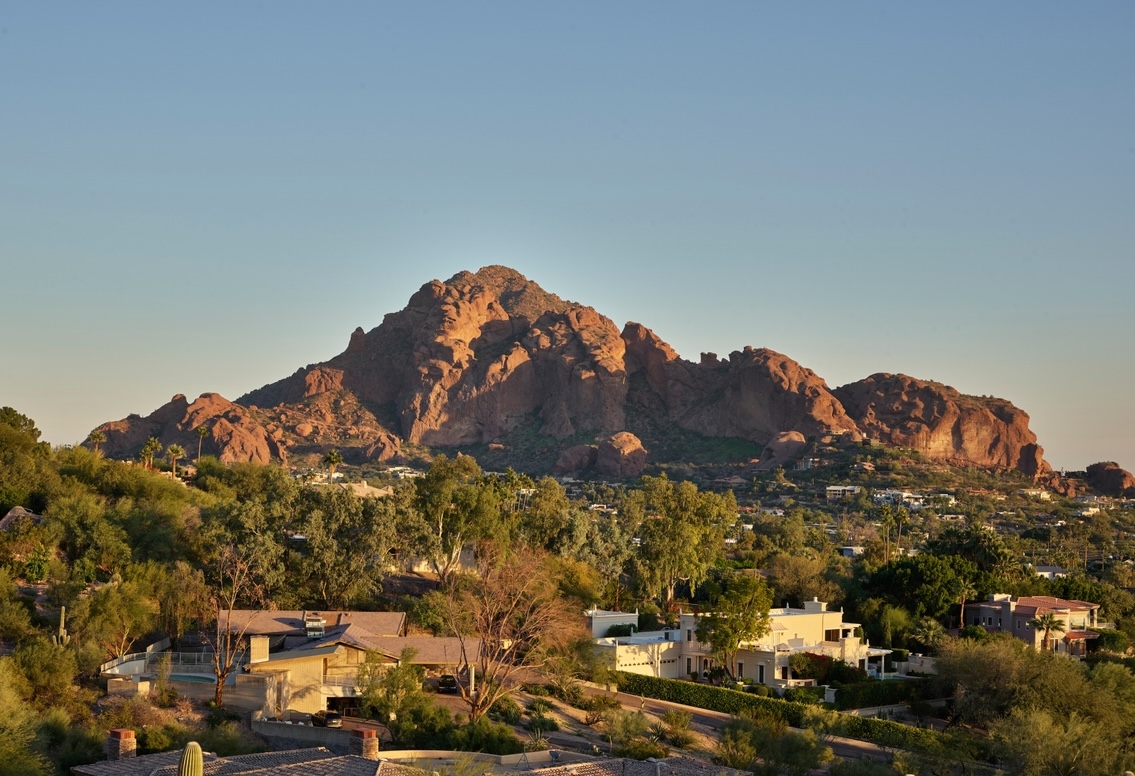
Paradise Valley is one of the Valley’s most exclusive communities, an incorporated town tucked between Phoenix and Scottsdale around Camelback Mountain and Mummy Mountain. Its large custom estates sit on spacious desert lots, where high-investment specimen trees and resort-style greenery define the landscape.
The palette reflects that investment. Mature specimen olives and date palms anchor entryways and courtyards, desert ironwoods provide native shade and structure, and beds of desert marigold, Mexican poppy, and sculptural cacti carry seasonal desert color.
Protecting this landscape means understanding the specific needs of these high-value specimen trees and desert plantings, from monsoon-season structure to disciplined, low-water irrigation.
Quick Downloads:
Paradise Valley Plant Health Calendar
Timing guide to fertilization, weed treatment, overseeding, pest control and more.
Tree, & Shrub Watering Guide
Recommendations for when and how much to water, with adjustments for time of year
Tree Identification & Care Guide
Facts about each type of tree in the neighborhood and a guide to keeping them healthy
Paradise Valley Landscape Care, Season By Season
By Cameron, ISA Certified Arborist, Adaptive Plant Health & Weed Solutions
Paradise Valley’s large custom estates sit on desert lots where specimen olives, date palms and ironwoods represent a serious landscape investment. Protecting that investment is a matter of timing: each plant has windows when it needs attention and windows when it should simply be left alone. This guide follows the full year, from the summer heat and monsoon to winter frost, and from pollen season in spring to quiet cool-weather pruning.
Watering Specimen Trees Well
Mature specimens need deep, infrequent irrigation that reaches 24 to 36 inches into the soil. On large lots it is easy for emitters to clog or drift out of position, so a yearly irrigation check protects the plants you most want to keep. Desert-adapted ironwoods and cacti need far less than olives and palms, and mixing them on one zone is a common mistake.
Hand-check the system a few times a year rather than relying on the controller screen. Watch each zone run, look for blocked emitters and tubing chewed by wildlife, and confirm the water is landing where the roots are, which for a mature tree is well beyond the trunk. A tree can sit in a dry-looking patch of ground while a nearby drip line waters mostly the mulch.
Monsoon Storm Prep
Mid June through September, microbursts hit hillside and open-lot trees with little shelter. Specimen olives and palms should be checked for weak unions and dead fronds before the season, and any limb over a pool, courtyard or driveway deserves attention. After each storm, inspect trunks and root flares for movement.
Specimen Olives: Scale, Water and Pollen
Olives are valued for their sculptural form but they can suffer from scale insects, overwatering and heavy pollen. Pollen season runs in spring, and bloom-time fruit and pollen suppression is applied during that window, so it needs to be planned in winter. Watch leaves for sticky residue and sooty mold, and avoid frequent shallow watering that weakens roots.
Black scale is most visible in the sticky honeydew and sooty mold it produces, and it often builds up when ants protect it. Controlling ants and thinning dense interior growth improves airflow and makes treatments more effective. Remember that fruit and pollen suppression works only if applied at the right stage of bloom, which is a narrow window each spring.
Date Palms: Weevil and Fusarium
Mature date palms are prime targets for palm weevil and Fusarium wilt. Always trim with sterilized tools, avoid heavy pruning in warm months, and look for one-sided crown dieback, discolored fronds and damaged tissue. Early action can save a palm that would otherwise be lost.
Palms in front courtyards and entry drives are often trimmed for appearance, and that is the moment of greatest risk. Insist that any trimming crew uses clean, disinfected blades between palms, and avoid trimming green fronds, which weakens the tree. If you notice a palm leaning, a bud that does not open or fronds drying in an odd one-sided pattern, call for an assessment right away.
Ironwood and Desert Trees Under Heat Stress
Desert ironwood is tough and slow-growing, but it is not invincible. Heat stress, root disturbance from construction and overwatering can all cause decline. Leave the root zone undisturbed, water deeply but rarely, and be patient with new growth. Most ironwood problems start below ground.
Construction on a neighboring lot or a pool project on your own can do long-term damage to ironwood roots. Fence the root zone before heavy equipment arrives, and avoid grade changes or trenching near the trunk. If damage has already happened, support the tree with careful watering and give it several seasons to show how it will respond.
Cacti and Desert Accents Through the Year
Desert marigold, Mexican poppy and sculptural cacti carry much of the seasonal color. Summer heat can scorch cacti that were recently moved or are shaded and then suddenly exposed, and rot follows too much water. Water sparingly, let soil dry between irrigations, and shield young plants from afternoon sun.
Winter Frost and Planting Season
Higher elevation lots can see colder nights than the central Valley. Cover frost-tender plants, hold off on heavy pruning until danger has passed, and use the cooler months to plant, mulch and repair irrigation.
Spring Bloom and Growth
Spring brings new growth, flowering and pest activity. This is the time for bloom-timed treatments, scale checks on olives and palms, and a gradual increase in irrigation as temperatures rise.
Hillside Lots, Drainage and Runoff
Many Paradise Valley lots sit on slopes or alongside washes, and water behaves differently there. Fast runoff can erode soil around roots and expose them, while low spots hold water that rots roots. Look at how rain moves across the property, and use berms, swales or rock channels to slow it and direct it to the trees that can use it.
After a heavy storm, walk the slopes and look for exposed roots, undermined walls and cracked soil. A little early repair, such as backfilling and mulching, prevents bigger problems at the next storm.
Courtyards, Entries and Pool Areas
Specimen trees often anchor courtyards, entries and pool decks, where space is limited and expectations are high. Confined root zones under pavers or near pools can restrict growth and cause trees to lean toward the light. Water through drip lines placed beyond the pavement edge, and avoid damaging roots with future hardscape work.
Around pools, choose and maintain trees that drop little litter, and keep fruit, flowers and fronds cleared. Regular canopy cleaning for palms and olives keeps pools clean and reduces pest hiding places.
Paradise Valley Homeowner Action Items
- Plan olive treatments early. Schedule pollen and fruit suppression for spring bloom and watch for scale.
- Sterilize palm tools. Prune date palms with clean tools and avoid heavy cuts in warm months.
- Water by plant type. Give olives, palms, ironwoods and cacti separate schedules.
- Prepare for monsoon. Inspect specimen trees for weak limbs before storm season.
- Protect the root zone. Avoid soil disturbance and compaction around ironwoods.
- Cover tender plants in frost. Protect cacti and young trees on the coldest nights.
- Audit irrigation yearly. Check large lots for clogged or misaligned emitters.
- Book a seasonal health check. A yearly visit catches pests and stress before they threaten valuable specimens.
- Check slopes after storms. Look for erosion, exposed roots and drainage problems.
- Protect roots from construction. Fence ironwood root zones before any digging.
- Keep courtyard trees clean. Remove fruit, fronds and litter near pools and entries.
Frequently Asked Questions About Paradise Valley Landscapes
What are the most common tree problems in Paradise Valley?
Paradise Valley’s high-value specimen trees each face distinct seasonal threats. Date palms are vulnerable to the South American palm weevil and Fusarium wilt, mature olives can build up black scale and sooty mold, and even native ironwoods show heat-stress canopy thinning after repeated extreme summers, while any tall tree carries monsoon limb-failure risk. Adaptive’s ISA Certified Arborists monitor these and recommend preventive care before damage becomes irreversible.
How do I protect my Paradise Valley palms and specimen trees during monsoon season?
Tall date palms, mature olives, and ironwoods are the most exposed to monsoon microbursts, which can snap limbs or topple trees in seconds. The best protection is a professional structural evaluation and canopy thinning before the next storm, along with deep, consistent watering so roots stay strong. Avoid heavy palm pruning in the warm months, which attracts the palm weevil.
Can I reduce the fruit and pollen from my olive trees in Paradise Valley?
Yes. Many Paradise Valley estates have mature fruiting olive trees that predate the Valley’s olive-pollen ordinance, and these produce both allergenic pollen and messy fruit. A professionally applied growth-regulator spray at spring bloom suppresses fruit and pollen for the season, so the best step is to plan that treatment ahead of each spring bloom and keep the trees healthy in the meantime. Adaptive offers fruit and pollen suppression for olives and can assess your trees.
How often should I water established desert trees in Paradise Valley through the year?
Established desert trees like ironwood and olive need deep, infrequent watering that reaches 24 to 36 inches into the soil rather than frequent shallow cycles, and they need far less water than many homeowners apply. Date palms benefit from deep watering through the heat, while cacti and desert accents need very little. Adaptive can audit your irrigation and make sure it meets local water rules to protect high-value specimens without overwatering.
Need some guidance?
If you have any questions about plant health or your landscape, feel free to give us a call at (602)777-7764 or fill out our contact form.
Anything from a quick question to a free 15-point landscape inspection, we’re here to help.