
Dobson Ranch Plant Health Resource Center
Plant Health & Landscape Care For The Dobson Ranch Neighborhood In Mesa, AZ
Season-By-Season Care Guide
A guide to Dobson Ranch Plant Health
This page will teach you about the unique needs of your neighborhood and how to best care for your landscape.
Up-To-Date Information
We update this page as we see new trends, changes and threats like insects, diseases or plant stressors.
What to know about Dobson Ranch Landscapes
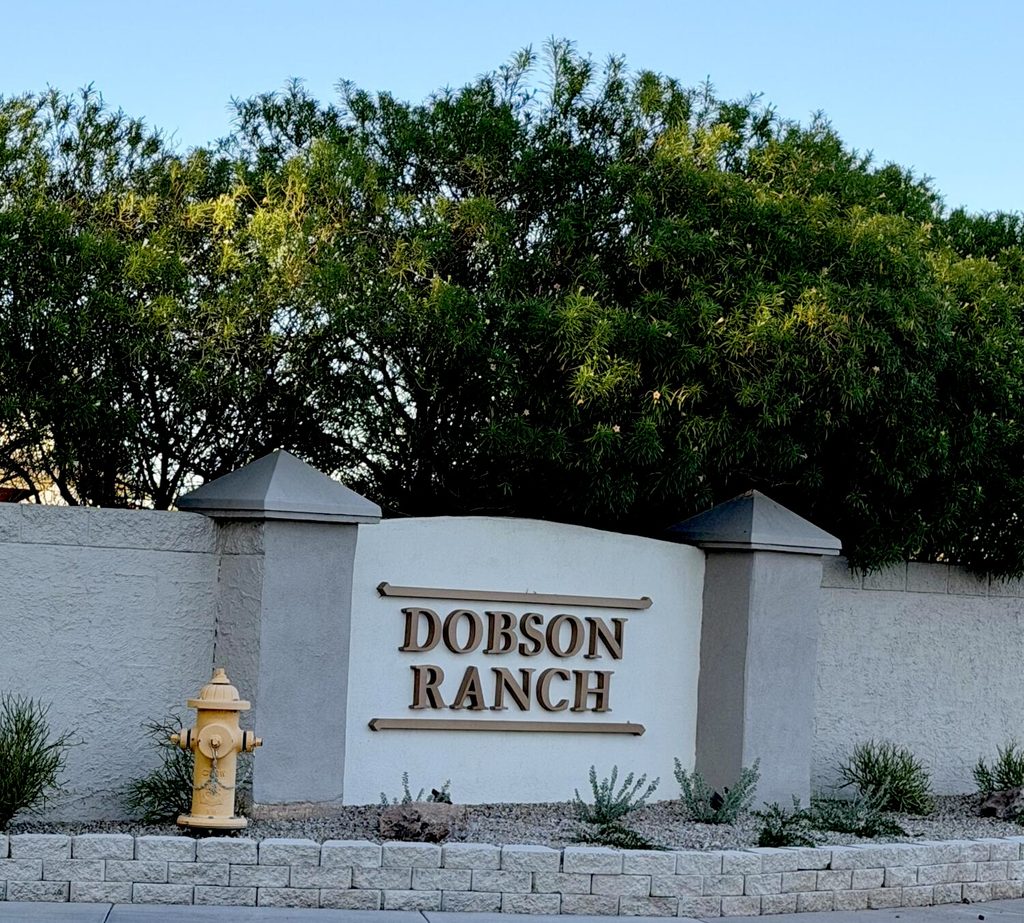
Dobson Ranch is one of Arizona’s largest and oldest master-planned communities, built starting in the 1970s around seven interconnected lakes that give the neighborhood its defining lakeside character. Its roughly 5,000 homes sit along tree-lined streets, walking paths, and more than 100 acres of common area centered on the water.
The tree palette reflects that mature, lakeside setting: weeping willow and fan-tex ash for broad shade near the water, with eucalyptus along common areas, and roses, oleander, and bermudagrass turf filling out the landscape.
Protecting this landscape means understanding the specific needs of these aging, water-loving trees and expansive common-area turf, from monsoon-season structure to humidity-driven disease pressure near the lakes.
Quick Downloads:
Dobson Ranch Plant Health Calendar
Timing guide to fertilization, weed treatment, overseeding, pest control and more.
Tree, & Shrub Watering Guide
Recommendations for when and how much to water, with adjustments for time of year
Tree Identification & Care Guide
Facts about each type of tree in the neighborhood and a guide to keeping them healthy
Dobson Ranch Landscape Care, Season By Season
By Cameron, ISA Certified Arborist, Adaptive Plant Health & Weed Solutions
Dobson Ranch was built around a chain of lakes in Mesa, and the community’s willows, Fan-Tex ash and eucalyptus have been growing for decades in a humid, lakeside setting. Those conditions shape the year: aging trees, turf that stays damp, and roses and oleanders that attract pests. This guide walks through the seasons so you can anticipate what each one brings.
Smart Watering Near the Lakes
Lake proximity does not mean trees can skip irrigation, but it does mean soggy soil is a common problem. Water deeply and infrequently, keep irrigation from pooling at trunks and check that each zone matches the plants in it.
The lakes create a humid microclimate that holds moisture in leaves and soil longer than in drier parts of Mesa. That means fungal problems start earlier and last longer, so reduce overhead watering, water in the early morning and keep irrigation heads from spraying trunks and leaves. If a spot stays wet a day after watering, drainage or system pressure needs attention.
Monsoon Storm Prep
Mid June through September, storms and saturated lakeside soil raise the risk of limb drop and toppling, especially for willows and old eucalyptus. Thin and inspect trees each spring and check after storms.
Weeping Willow: Aging, Thirsty and Brittle
Weeping willows grow fast, drink heavily and become brittle with age. Expect deadwood, branch drop and decay at old wounds. Plan for replacement and keep willows away from roofs and pools.
Weeping willows are especially prone to cankers and decay once large limbs fall and leave open wounds. If a willow has lost major limbs, ask whether the remaining structure is sound. Gradual replacement, planting a new tree well before the old one fails, preserves the lakeside look without the risk.
Turf Disease Near the Lakes
Lake humidity extends the season for fungal turf diseases such as brown patch and pythium. Water early in the morning, avoid overwatering and treat at the first sign. Overseeding in fall and spring transition need careful timing.
Brown patch looks like circular, tan to brown patches with a smoky ring at the edge on humid mornings, while pythium appears as greasy, water-soaked areas that collapse quickly in hot, wet weather. Both worsen with overwatering, thatch and poor drainage. Cultural fixes such as aeration, correct mowing height and watering schedule matter as much as fungicides.
Fan-Tex Ash and Eucalyptus: Aging Canopy
Aging Fan-Tex ash show canopy thinning, bark splitting and borers. Eucalyptus can drop large limbs and attract borers and psyllids. Annual inspections decide between care and replacement.
Eucalyptus planted near lakes may take up more water than expected and grow quickly, which makes them heavy and storm-prone. Ask for structural pruning to remove end weight, and monitor roots lifting walkways. For ash, small exit holes and dark staining on the trunk usually indicate borers already at work.
Roses and Oleander: Pest Pressure Through the Year
Roses draw aphids, spider mites and fungal problems, while oleander is vulnerable to leaf scorch and oleander caterpillar. Remove infected stems, sterilize tools and monitor regularly.
Winter Frost and Pruning
Protect roses and tender plants during frost. Winter is the best time to prune trees, plant and renew mulch.
Spring Growth and Pest Activity
As growth resumes, watch for aphids on roses, disease on turf and borers in ash, and bring watering up gradually.
Living on the Lakes: Docks, Shorelines and Runoff
Shoreline lots have extra responsibilities. Fertilizer, pesticide and grass clippings can wash into the water, feeding algae and harming fish and wildlife. Apply products sparingly, avoid applying before rain and keep a buffer strip of unmowed vegetation near the water.
If your property has a dock, bulkhead or retaining wall, check regularly for erosion, undermined roots and leaning trees. Healthy shoreline vegetation holds soil in place and reduces maintenance.
Rose Care Through the Seasons
Roses are a signature of the community’s older yards, and they have a clear annual rhythm. Prune hard in late winter, feed in spring and early summer, mulch to keep roots cool and water deeply in the morning. Remove spent blooms to encourage more flowers.
Aphids and spider mites are the main summer pests, along with powdery mildew in humid weather. Hose them off, use gentle treatments early and avoid wetting foliage in the evening.
Planning Replacements Along Lake Edges
When replacing a lakeside tree, choose species that suit both the humidity and the soil, and avoid planting too close to the water or to walls. Slower-growing, sturdier shade trees age better than the fast willows that dominated the original plantings.
Plant in fall when soil is warm and cool weather helps roots establish. A mulch ring and consistent watering for the first two years give new trees the start they need.
Dobson Ranch Year at a Glance
Winter is for pruning willows, ash and roses, checking shorelines and planning replacements. Spring brings new growth, aphids on roses and early turf disease as humidity returns.
Summer demands early morning watering, storm prep for willows and eucalyptus and close attention to turf. Fall is the time for overseeding, planting and mulching, and for an annual inspection of aging lakeside trees.
Dobson Ranch Homeowner Action Items
- Assess willows yearly. Remove or replace failing trees near structures.
- Prepare for monsoon. Thin large trees and eucalyptus before storm season.
- Water turf early. Limit fungal disease by irrigating in the morning.
- Inspect ash. Look for dieback, bark splitting and frass.
- Watch eucalyptus. Check for limb weight, borers and sticky leaves.
- Care for roses and oleander. Monitor pests and remove diseased stems.
- Protect from frost. Cover tender plants.
- Book a seasonal health check. A yearly visit catches problems early.
- Protect the water. Limit fertilizer and pesticide use near the shoreline and keep a buffer strip.
- Prune roses in late winter. Feed in spring, mulch and water deeply in the morning.
- Replace before failure. Plant new lakeside trees before aging willows come down.
Frequently Asked Questions About Dobson Ranch Landscapes
What are the most common landscape problems in Dobson Ranch?
Dobson Ranch’s lakeside setting creates a distinct set of challenges: aging weeping willows and ash are prone to storm damage, common-area turf is more susceptible to fungal disease because of the added humidity near the lakes, and roses and oleanders face typical summer pest pressure. Adaptive’s ISA Certified Arborists monitor all of these and recommend care before problems become emergencies.
Why do my willow trees keep losing branches?
Weeping willows are fast-growing, water-loving, and naturally short-lived, so at 50 or more years many willows in Dobson Ranch are simply aging out, and the brittle wood makes them prone to dropping limbs, especially in monsoon storms. Structural thinning and evaluation before storm season is the best way to reduce risk, and severely declining trees may need replacement.
Does living near the lakes make turf disease worse in Dobson Ranch?
Yes. The added humidity from Dobson Ranch’s seven lakes creates a more favorable environment for fungal turf diseases like brown patch and pythium than drier parts of the Valley. Adjusting irrigation timing and treating promptly at the first sign of irregular brown patches helps keep common-area and home turf healthy.
When should I have my mature ash and eucalyptus trees inspected?
Any time you notice upper-canopy dieback, bark splitting, or sawdust-like frass at the trunk base, since these signs often mean decline and boring insects are already at work. Given how many of Dobson Ranch’s shade trees are now decades old, a proactive assessment before symptoms appear is worth scheduling, especially for trees near walking paths or the lakes.
Need some guidance?
If you have any questions about plant health or your landscape, feel free to give us a call at (602)777-7764 or fill out our contact form.
Anything from a quick question to a free 15-point landscape inspection, we’re here to help.