
Ahwatukee Custom Estates Plant Health Resource Center
Customized for your neighborhood by Adaptive Plant Health & Weed Solutions
Updated Spring, 2026
A guide to Ahwatukee Custom Estates Plant Health
This page will teach you about the unique needs of your neighborhood and how to best care for your landscape.
Up-To-Date Information
We update this page as we see new trends, changes and threats like insects, diseases or plant stressors.
What to know about Ahwatukee Custom Estates Landscapes
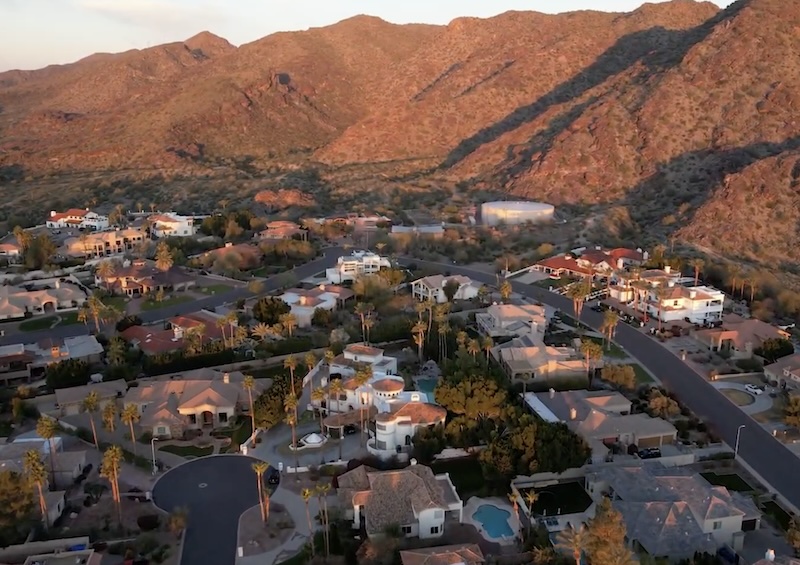
Ahwatukee Custom Estates is a prestigious community known for its custom homes and established, diverse landscapes. Many properties feature mature, large-scale trees and desert-adapted plantings that have been part of the neighborhood’s character for decades.
The unique topography and varying microclimates within the Estates create a specialized environment for plant health, where sun exposure and soil conditions can differ significantly from one lot to the next.
Protecting this landscape means understanding the specific needs of these legacy plants.
Quick Downloads:
Ahwatukee Plant Health Calendar
Timing guide to fertilization, weed treatment, overseeding, pest control and more.
Tree, & Shrub Watering Guide
Recommendations for when and how much to water, with adjustments for time of year
Tree Identification & Care Guide
Facts about each type of tree in the neighborhood and a guide to keeping them healthy
The current state of Plant Health in Ahwatukee Custom Estates:
Updated by Cameron, ISA Certified Arborist
Spring, 2026
Heading into early 2026, the landscapes of Ahwatukee Custom Estates are facing a unique set of challenges. The combination of established legacy trees and the high-desert climate creates a specialized environment for plant health. Our team has been closely monitoring several specific pests and environmental stressors that are currently active in the area. Here is what you need to be watching for in your landscape:
Ironwood Tree Stress & Canopy Thinning
Ironwood trees are a hallmark of the Ahwatukee landscape, prized for their longevity and desert character. However, we are seeing increasing instances of canopy thinning and branch dieback in mature specimens. This is often the result of cumulative heat stress from record-setting summers combined with improper pruning practices. Stressed Ironwoods become significantly more vulnerable to secondary pests and diseases.
What to watch for: Unusual leaf drop, thinning in the upper canopy, or a lack of new growth in the spring. Ensuring these trees receive deep, infrequent watering is critical to their long-term survival.
Agave Snout Weevil Protection
The Agave Snout Weevil remains a significant threat to the large agaves that define many Ahwatukee Custom Estates entryways. The weevil attacks the center of the plant, laying eggs that eventually destroy the core. By the time symptoms are visible, it is often too late to save the plant.
What to do: Preventive treatments are essential, especially for high-value specimens. If you notice a plant beginning to wilt or collapse at the center, it should be removed immediately to prevent the infestation from spreading to neighboring agaves.
Desert Willow and Sweet Acacia Management
Both Desert Willows and Sweet Acacias are common in the neighborhood and are currently entering a critical growth phase. We are monitoring for signs of scale and fungal issues that can thrive in the microclimates created by the foothills. Proper pruning in late winter is essential to maintain structural integrity and promote healthy spring blooming.
What to do: Avoid “topping” these trees, as it creates weak points and increases stress. Focus on thinning and removing dead wood to allow for better airflow through the canopy.
February Action Items for Ahwatukee Custom Estates Homeowners
- Deep Water Legacy Trees. Ensure your mature Ironwoods and other large shade trees are receiving deep irrigation that reaches the full root zone.
- Inspect Agaves for Weevil Activity. Check the base and core of your agaves for any signs of softening or wilting.
- Prune for Structure. Late February is an ideal time to prune your Desert Willows and Acacias before the spring growth surge.
- Audit Irrigation Micro-Zones. Because of the varying topography in the Estates, ensure each zone of your irrigation system is adjusted for the specific needs of that area (e.g., slopes vs. flat areas).
- Schedule a Professional Health Check. A customized landscape requires customized care. Have a certified professional evaluate your legacy trees to ensure they are prepared for the coming heat.
Need some guidance?
If you have any questions about plant health or your landscape, feel free to give us a call at (602)777-7764 or fill out our contact form.
Anything from a quick question to a free 15-point landscape inspection, we’re here to help.