
Ahwatukee Custom Estates Plant Health Resource Center
Customized for your neighborhood by Adaptive Plant Health & Weed Solutions
Updated Summer, 2026
A guide to Ahwatukee Custom Estates Plant Health
This page will teach you about the unique needs of your neighborhood and how to best care for your landscape.
Up-To-Date Information
We update this page as we see new trends, changes and threats like insects, diseases or plant stressors.
What to know about Ahwatukee Custom Estates Landscapes
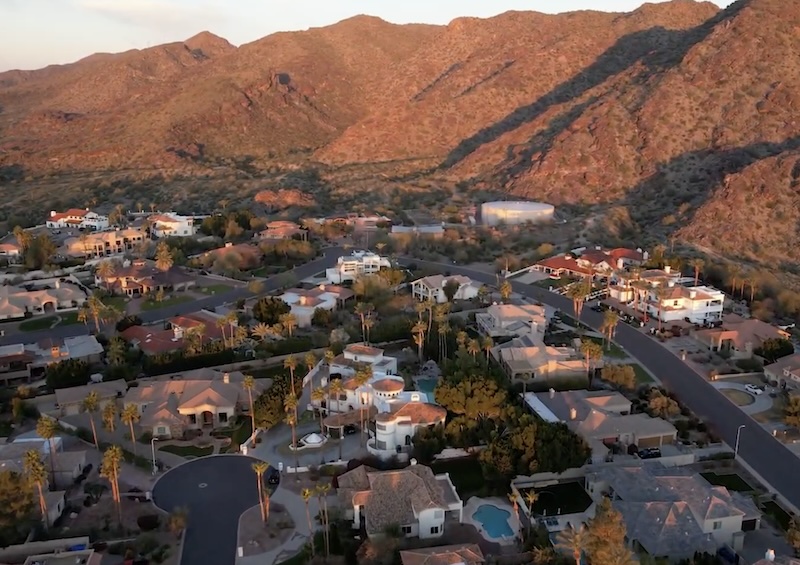
Ahwatukee Custom Estates is a prestigious community known for its custom homes and established, diverse landscapes. Many properties feature mature, large-scale trees and desert-adapted plantings that have been part of the neighborhood’s character for decades.
The unique topography and varying microclimates within the Estates create a specialized environment for plant health, where sun exposure and soil conditions can differ significantly from one lot to the next.
Protecting this landscape means understanding the specific needs of these legacy plants.
Quick Downloads:
Ahwatukee Plant Health Calendar
Timing guide to fertilization, weed treatment, overseeding, pest control and more.
Tree, & Shrub Watering Guide
Recommendations for when and how much to water, with adjustments for time of year
Tree Identification & Care Guide
Facts about each type of tree in the neighborhood and a guide to keeping them healthy
The Current State Of Plant Health In Ahwatukee Custom Estates:
Updated by Cameron, ISA Certified Arborist, June 2026
Ahwatukee’s hillside estates blend desert-adapted legacy trees with lusher plantings, and summer puts both under real stress. We’re in peak heat with monsoon season active (June 15 through September 30), forecast hotter and wetter than normal, while the Valley stays in drought under Stage 2 water rules. Even tough native trees feel it. Here’s what to watch for in your landscape right now.
Heat & Smart Watering Come First
Record summer heat with warm overnight lows wears on even desert-adapted trees, and drought rules mean every gallon counts. Give mature ironwoods and other large trees deep, infrequent irrigation that reaches the full root zone, rather than shallow surface watering.
Monsoon Storm Prep on the Slopes
Microbursts hit hillside lots hard, and mature ironwoods and acacias can drop limbs or fail in saturated, sloped soil. Have large trees structurally thinned and evaluated before the next storm, and make sure slope drainage carries runoff away from trunks. This is the top priority of the season.
Ironwood Stress & Canopy Thinning
Ironwoods are an Ahwatukee hallmark, but cumulative heat stress and improper pruning are causing canopy thinning and branch dieback in mature trees, which then become vulnerable to secondary pests. Watch for unusual leaf drop and thin upper canopies, and keep these legacy trees on deep, infrequent watering.
Agave Snout Weevil
The warm months are when the weevil bores into the core of large agaves, and by the time a plant wilts or collapses inward it is usually too late. Protect high-value specimens with preventive treatment, and remove any collapsing agave promptly to stop the spread to neighbors.
Desert Willow & Sweet Acacia
Both are blooming through the warm season and are worth monitoring for scale and aphids, especially where foothill microclimates trap humidity. Avoid topping these trees, which creates weak points, and focus on thinning and removing deadwood for better airflow ahead of storms.
Saguaro & Cacti Summer Care
Heat and monsoon humidity can accelerate bacterial necrosis in saguaros and other cacti, showing as dark, oozing soft spots. Do not overwater established cacti, watch for spreading dark lesions, and protect prized specimens from reflected heat and sunburn on newly exposed surfaces.
Summer Action Items For Ahwatukee Custom Estates Homeowners
- Deep-water legacy trees. Make sure mature ironwoods and large shade trees get irrigation to the full root zone, and audit each slope and flat zone separately.
- Storm-proof big trees now. Schedule structural thinning and a stability check before the next monsoon push. This is the top safety priority.
- Inspect agaves for weevil activity. Check the base and core for softening, and remove any collapsing plants right away.
- Monitor cacti for soft spots. Look for dark, oozing lesions on saguaros, and avoid overwatering established desert plants.
- Book a summer health check. A customized landscape needs customized care, and a walkthrough now catches heat and storm risks before they escalate.
Need some guidance?
If you have any questions about plant health or your landscape, feel free to give us a call at (602)777-7764 or fill out our contact form.
Anything from a quick question to a free 15-point landscape inspection, we’re here to help.