
Alta Mira Plant Health Resource Center
Customized for your neighborhood by Adaptive Plant Health & Weed Solutions
Updated Summer, 2026
A guide to Alta Mira Plant Health
This page will teach you about the unique needs of your neighborhood and how to best care for your landscape.
Up-To-Date Information
We update this page as we see new trends, changes and threats like insects, diseases or plant stressors.
What to know about Alta Mira Landscapes
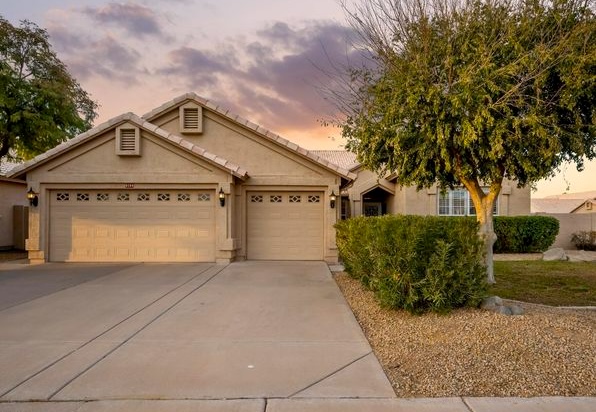
Alta Mira is an established South Tempe neighborhood of tree-lined streets and larger, traditional lots, known for tidy, well-kept yards and consistent HOA standards. Its landscapes were built out decades ago and have matured into the shaded, settled character that defines the community today.
The tree palette leans on fast-growing, desert-adapted species: Chilean mesquite and palo verde for filtered shade and desert character, and sissoo for quick, dense canopy. At ground level, Texas ranger (Texas sage) and tecoma (yellow bells) carry low-water color and structure through the seasons.
Protecting this landscape means understanding the specific needs of these fast-growing trees and desert-adapted shrubs, from storm-resistant structure to disciplined, low-water irrigation.
Quick Downloads:
Alta Mira Plant Health Calendar
Timing guide to fertilization, weed treatment, overseeding, pest control and more.
Tree, & Shrub Watering Guide
Recommendations for when and how much to water, with adjustments for time of year
Tree Identification & Care Guide
Facts about each type of tree in the neighborhood and a guide to keeping them healthy
The Current State Of Plant Health In Alta Mira:
Updated by Cameron, ISA Certified Arborist, June 2026
Summer is the season that tests Alta Mira’s tree-lined streets. We’re in peak heat with monsoon season active (June 15 through September 30), and 2026 is forecast hotter and wetter than normal with elevated storm risk, while the Valley stays in drought under Stage 2 water rules. For a neighborhood built on fast-growing mesquite, palo verde, and sissoo, that means the biggest issues right now are heat stress, watering discipline, and storm-readiness. Here’s what to watch for.
Heat & Smart Watering Come First
High daytime heat and warm overnight lows give trees little recovery time, and drought rules mean watering has to be efficient. Water deep and infrequent, soaking mature trees 24 to 36 inches down, rather than short daily cycles that keep roots near the hot surface.
Monsoon Storm Prep Is the Top Priority
Chilean mesquite, palo verde, and especially sissoo are the Valley’s most common monsoon failures, prone to dropping limbs or toppling in microbursts, particularly when overwatered or shallow-rooted. Have large or fast-grown trees professionally thinned and structurally evaluated before the next storm. This is the single most valuable thing you can do this summer.
Palo Verde Root Borer
These large beetles emerge during monsoon, and their grubs feed on tree roots for years before damage shows above ground. You may see the big beetles at dusk after storms, so keep trees healthy and well-watered, since vigorous roots are the best defense.
Borers in Stressed Mesquite & Palo Verde
Flatheaded and mesquite borers target trees already weakened by heat and drought, tunneling under the bark to feed on the tissue that moves water and nutrients. Watch for branch dieback, oozing sap, and sawdust-like frass at the trunk base, and keep trees on proper irrigation to avoid attracting them.
Sissoo: Roots, Chlorosis & Wind
Sissoo grow fast but have aggressive, shallow roots that raise both wind-throw risk and conflicts with hardscape, and their leaves often yellow between the veins from iron chlorosis in our alkaline soils. Thin the canopy for wind resistance before storms, and correct chlorosis with a soil-applied chelated iron program rather than foliar sprays.
Texas Ranger & Tecoma: Do Not Overwater
Texas ranger (Texas sage) is at its summer best and declines fast when overwatered, so keep it on a separate low-water zone. Tecoma blooms hard in the heat and benefits from deep, regular water to keep flowering, but watch the new growth for caterpillar chewing.
Summer Action Items For Alta Mira Homeowners
- Switch to deep, infrequent watering. Confirm water reaches the full root zone of mature trees, and move drought-adapted shrubs like Texas ranger off any high-water or turf zones.
- Storm-proof your trees now. Schedule structural thinning for mesquite, palo verde, and sissoo before the next monsoon push. This is the top safety priority.
- Inspect trunks for borer activity. Look for sap ooze, frass, and dieback on mesquite and palo verde, and watch for palo verde root borer beetles after storms.
- Address sissoo chlorosis. Treat yellowing leaves with a soil-applied chelated iron program, and keep an eye on roots near walkways and walls.
- Book a summer health check. A walkthrough now catches heat stress, storm-risk limbs, and early pest activity before they become emergencies.
Need some guidance?
If you have any questions about plant health or your landscape, feel free to give us a call at (602)777-7764 or fill out our contact form.
Anything from a quick question to a free 15-point landscape inspection, we’re here to help.