
Circle G Ranches Plant Health Resource Center
Plant Health & Landscape Care For Circle G Ranches In Tempe, AZ
Updated Summer, 2026
A guide to Circle G Ranches Plant Health
This page will teach you about the unique needs of your neighborhood and how to best care for your landscape.
Up-To-Date Information
We update this page as we see new trends, changes and threats like insects, diseases or plant stressors.
What to know about Circle G Ranches Landscapes
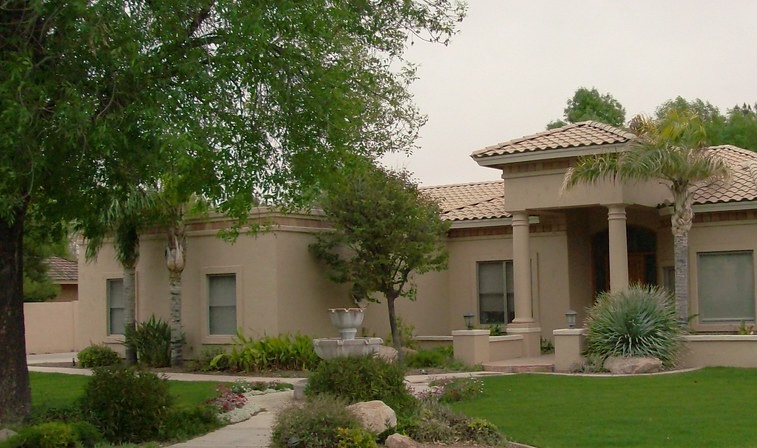
Circle G Ranches is an upscale, semi-rural community in south Tempe, built around large custom estates on roughly three-quarter-acre lots, many with horse privileges, bridle paths, and a community riding arena. Mature trees and expansive, well-watered turf give these estates a green, country feel uncommon in the desert.
The palette runs large: Southern live oaks, mesquites, and a variety of palms for shade and structure, set over high-maintenance turf and flowering shrubs.
Protecting this landscape means understanding the specific needs of these big shade trees, palms, and large turf areas, from monsoon-season structure to right-sized irrigation on an estate-sized property.
Quick Downloads:
Circle G Ranches Plant Health Calendar
Timing guide to fertilization, weed treatment, overseeding, pest control and more.
Tree, & Shrub Watering Guide
Recommendations for when and how much to water, with adjustments for time of year
Tree Identification & Care Guide
Facts about each type of tree in the neighborhood and a guide to keeping them healthy
The Current State Of Plant Health In Circle G Ranches:
Updated by Cameron, ISA Certified Arborist, June 2026
Circle G Ranches pairs big shade trees and palms with expansive turf on large equestrian lots, and summer tests all of it at once. We’re in peak heat with monsoon season active (June 15 through September 30), forecast hotter and wetter than normal, while the Valley stays in drought under Stage 2 water rules. On large, well-watered properties, storm safety, tree structure, and turf disease are the headline issues. Here’s what to watch for right now.
Heat & Smart Watering Come First
Estate-sized landscapes use a lot of water, so Stage 2 rules and efficient zoning matter more here than almost anywhere. Water trees deep and infrequent to the full root zone, run turf on its own deep, early-morning schedule, and keep palms and shrubs on separate valves so nothing is watered to the wrong target.
Monsoon Storm Prep Is the Top Priority
Mature mesquites, live oaks, and tall palms are the most exposed to monsoon microbursts, and on these large lots they often stand over homes, barns, and riding arenas. Have big trees structurally thinned and evaluated before the next storm, prioritizing any limbs over structures and animals. This is the single most valuable thing you can do this summer.
Mesquite: Borers, Storms & Overwatering
Mesquites are tough and beautiful but fail badly in storms when they have been pushed into fast, top-heavy growth by turf-zone overwatering, and stressed trees draw root borers and flatheaded borers. Thin them for wind resistance, water them deep and infrequent rather than on the lawn cycle, and watch for sap ooze and sawdust-like frass that signal borer activity.
Southern Live Oak: Heat, Water & Acorns
Live oaks bring dense shade but are higher-water trees that show heat stress and iron chlorosis (yellowing between green veins) in alkaline soil, and they drop heavy acorn litter. Keep them deeply watered, watch for chlorosis, and if acorn litter is a problem, plan a spring bloom-time suppression treatment, a service Adaptive provides for live oaks.
Palm Health (Weevil + Fusarium)
The community’s palms are vulnerable to the spreading South American palm weevil, which is drawn to freshly pruned palms, and to Fusarium wilt, which spreads on dirty pruning tools and kills fronds one side at a time. Avoid heavy summer palm pruning, use only crews that sterilize tools between trees, and report any palm with a collapsing or one-sided crown immediately.
High-Maintenance Turf in Summer
The large turf areas that define Circle G Ranches are most at risk in summer, when heat and monsoon humidity drive fungal diseases like brown patch and pythium blight, and grubs feed on roots below. Water deep and infrequent in the early morning, avoid the constant moisture that fuels disease, and have brown or greasy patches diagnosed early before they spread across a big lawn.
Summer Action Items For Circle G Ranches Homeowners
- Storm-proof your big trees and palms now. Schedule structural thinning for mesquites, live oaks, and tall palms before the next monsoon push, prioritizing limbs over homes, barns, and arenas. This is the top safety priority.
- Manage your mesquites. Thin for wind resistance, water deep and infrequent rather than on the turf cycle, and watch for borer activity.
- Care for your live oaks. Deep water, watch for iron chlorosis, and plan a spring acorn suppression treatment if litter is a problem.
- Watch turf for summer disease. Look for brown or greasy patches, water deep and early, and get fungal disease diagnosed and treated before it spreads.
- Book a whole-property health check. A walkthrough now catches storm-risk limbs, borer and palm issues, and turf disease across a large lot before they become emergencies.
Frequently Asked Questions About Circle G Ranches Landscapes
What are the most common summer landscape problems in Circle G Ranches?
Circle G Ranches’ estate landscapes face several summer pressures at once. Mature mesquites and live oaks carry high monsoon limb-failure risk, especially when overwatered on turf, palms are vulnerable to the South American palm weevil and Fusarium wilt, and the large turf areas develop fungal diseases in monsoon humidity. Adaptive’s ISA Certified Arborists and turf specialists monitor all of these and recommend preventive care before damage spreads.
How do I protect the large trees and palms on my Circle G Ranches property during monsoon season?
Large mesquites, live oaks, and tall palms are the most exposed to monsoon microbursts, and on these lots they often stand over homes, barns, and riding arenas. The best protection is a professional structural thinning and evaluation before the next storm to reduce wind resistance and remove weak or dead limbs over structures and animals. Adaptive can prioritize the highest-risk trees across a large property.
Why is my Circle G Ranches lawn developing brown or greasy patches in summer?
Brown or greasy, water-soaked patches in summer are usually fungal turf diseases like brown patch or pythium blight, which thrive in the heat and humidity of monsoon season, especially on overwatered lawns. Because Circle G Ranches has large, high-maintenance turf areas, catching and treating disease early matters. Adjust watering to deep and infrequent in the early morning, and have the disease identified before it spreads. Adaptive offers turf disease diagnosis and treatment.
How should I water a large Circle G Ranches estate landscape in summer?
Large estate landscapes are easy to overwater, which wastes water under Stage 2 rules and drives both turf disease and weak, storm-prone tree growth. Water trees deep and infrequent to reach 24 to 36 inches into the soil, run turf deep and infrequent in the early morning on its own schedule, and keep palms and shrubs on separate zones. Adaptive can audit irrigation across a large property to balance plant health and water use.
Need some guidance?
If you have any questions about plant health or your landscape, feel free to give us a call at (602)777-7764 or fill out our contact form.
Anything from a quick question to a free 15-point landscape inspection, we’re here to help.