
How to Keep Your Lawn Green in extreme Heat: A Phoenix Bermudagrass Survival Guide
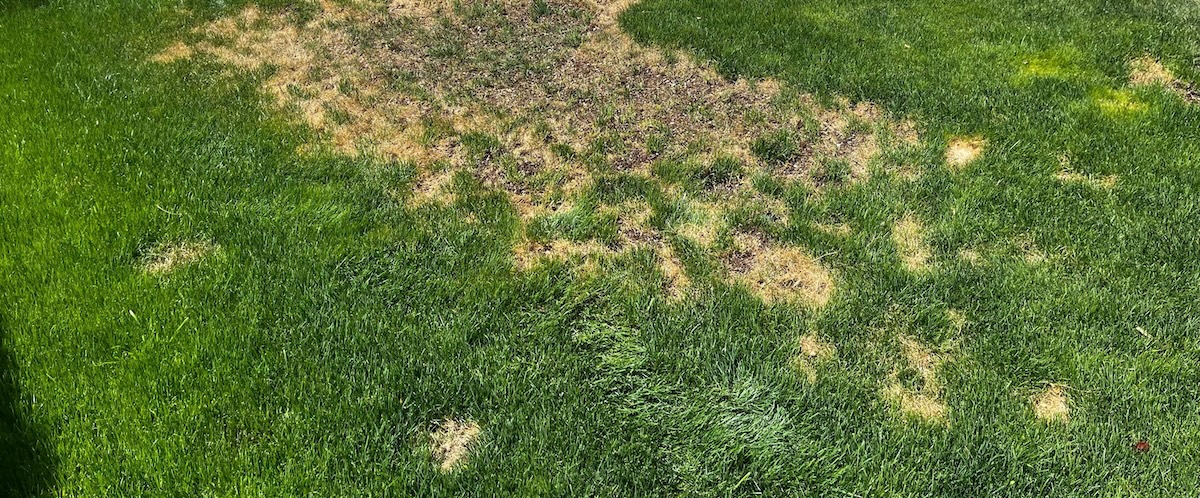
Bermudagrass is ideal for Phoenix-area lawns because it handles heat better than almost any turfgrass out there. During normal Valley summers it stays green and dense with far less effort than other grasses. However, when temperatures push past 110 degrees and stay there for weeks, even bermudagrass starts to struggle. Brown patches appear, growth slows, and the lawn that looked great in April starts looking tired by July.
The difference between a lawn that stays green all summer and one that struggles through August usually comes down to some simple basic practices. Watering schedule, mowing height, fertilizer timing, and how you handle stress all play a role. In this guide, we cover exactly what your bermudagrass lawn needs during the hottest months of the year in Tempe, Chandler, Gilbert, Mesa, and Scottsdale, and what mistakes to avoid along the way.
Why Bermudagrass Is the Right Choice for Phoenix
Before diving into summer care, it helps to understand why bermudagrass dominates Phoenix lawns. This warm-season grass thrives when temperatures are between 80 and 100 degrees, which makes it perfectly suited for our growing season. It spreads aggressively through stolons (above-ground runners) and rhizomes (below-ground runners), which means it fills in bare spots and repairs damage on its own.
Bermudagrass also goes dormant naturally during winter, turning brown when temperatures drop below about 60 degrees. Most Phoenix homeowners overseed with ryegrass in October to maintain a green lawn through winter, then transition back to bermudagrass in late spring.
The point is that bermudagrass is built for heat. When it starts struggling during summer, the problem is almost always cultural, meaning something about the way the lawn is being managed is off. Fix the management and the grass recovers.
Summer Watering: The Foundation of Everything
Watering is where most summer lawn problems start and where most of them get fixed. The goal during extreme heat is to keep the root zone consistently moist without waterlogging the soil.
How Much and How Often
During sustained temperatures above 105 degrees, bermudagrass lawns in the Phoenix area need approximately 1 to 1.5 inches of water per week. How you deliver that water matters as much as how much you apply.
Frequency. Water every day or every other day during the peak of summer. Unlike trees, which benefit from deep and infrequent watering, turfgrass has a shallower root system that dries out faster in extreme heat. Daily watering during July and August is appropriate for most Valley lawns.
Duration. Run each zone long enough to deliver about a quarter inch of water per session. For typical pop-up spray heads, that usually means 15 to 20 minutes. For rotor heads, 30 to 45 minutes. For drip or bubbler zones watering trees or shrubs, those run on a different schedule entirely and should not be on the same zone as your lawn.
Timing. Water between 4:00 AM and 6:00 AM. Early morning watering gives the turf time to absorb moisture before daytime heat drives evaporation. Avoid watering in the evening, which leaves the grass wet overnight and promotes fungal diseases.
The Tuna Can Test
Not sure if your sprinklers are putting down enough water? Place several flat-bottomed containers, like empty tuna cans, across your lawn before running a watering cycle. After the cycle completes, measure the depth of water in each can. This tells you exactly how much water your system delivers per cycle and reveals whether coverage is even. Uneven coverage is one of the most common causes of brown patches in an otherwise healthy lawn.
Signs You Are Underwatering
Footprinting. Walk across your lawn in the late afternoon. If your footprints stay visible for more than a few seconds instead of springing back, the grass is moisture-stressed.
Blue-gray color shift. Bermudagrass that needs water takes on a dull, blue-gray tint before it starts turning brown. This color change is your early warning. Water immediately and the grass will recover within hours.
Soil pulling away from edges. In severe cases, dried-out soil contracts and pulls away from sidewalks, curbing, and mow strips. This gap allows water to run down the edges instead of soaking into the root zone, making the problem worse.
Signs You Are Overwatering
Spongy or mushy feel. If the lawn feels squishy underfoot, especially in the morning, you are applying too much water or watering too frequently.
Fungal growth. Mushrooms, slime mold, or white cotton-like patches indicate excessive moisture. While not always harmful, they signal conditions that promote root rot and other turf diseases.
Nutsedge. If bright green, fast-growing sedge is popping up throughout your lawn, those areas are staying too wet. Nutsedge is the best indicator weed for overwatering.
Mowing: Height and Frequency Matter
How you mow your bermudagrass during extreme heat directly affects how well it handles stress. Most homeowners mow too short and too infrequently during summer.
Raise Your Mowing Height
During the peak summer months, raise your mowing height to 1.5 to 2 inches. This is taller than the 0.75 to 1 inch that bermudagrass is typically maintained at during spring and fall. The additional blade length shades the soil surface, which reduces soil temperature and slows moisture evaporation between waterings. Think of it as the grass insulating its own root zone.
Mow More Often
Even though you are letting the grass grow taller, bermudagrass grows rapidly in summer heat. Mow every four to five days rather than once a week to avoid removing more than one-third of the blade length at any single cutting. Removing too much at once stresses the plant and exposes the lower portion of the blade, which has not been acclimating to full sun.
Keep Blades Sharp
Dull mower blades tear grass instead of cutting it cleanly. Torn blade tips turn brown and give the entire lawn a brownish haze within a day or two after mowing. Sharpen your mower blades at least twice during the summer season, ideally every 10 to 15 hours of mowing time.
Mow in the Morning
Mow before 9:00 AM whenever possible. Mowing in the heat of the afternoon stresses both the grass and the person mowing. Freshly cut grass loses moisture faster through the cut surfaces, and afternoon mowing amplifies that effect.
Fertilizer Timing: More Is Not Better
One of the most common mistakes Phoenix homeowners make is fertilizing bermudagrass during the hottest months. The logic seems sound: the grass looks stressed, so give it food. But fertilizer during extreme heat does more harm than good.
When to Fertilize
Apply your main summer fertilizer in May, before the worst heat arrives. A slow-release granular fertilizer with a 3-1-2 ratio of nitrogen, phosphorus, and potassium gives bermudagrass the nutrients it needs to build strength heading into summer. A second light application in late June is fine if the grass is growing well.
Stop fertilizing by early July. From mid-July through August, when temperatures are at their peak, the grass is focused on surviving, not growing. Forcing growth with nitrogen fertilizer diverts energy from stress management to blade production, making the grass more vulnerable to heat injury and increasing water demand.
Resume fertilizing in September as temperatures begin to moderate, or transition to your overseeding routine if you plan to plant ryegrass.
Iron Instead of Nitrogen
If your lawn looks pale or yellowish during peak summer and you want to green it up without pushing growth, apply a chelated iron supplement. Iron enhances chlorophyll production and deepens the green color without stimulating the rapid growth that nitrogen causes. Spray-on liquid iron is the fastest option and can produce visible results within 48 hours.
Common Summer Lawn Problems and Fixes
Even with good management, bermudagrass lawns in Phoenix encounter specific problems during extreme heat. Here is how to diagnose and address the most common ones.
Brown Patches That Do Not Respond to Watering
If specific areas stay brown despite adequate irrigation, check for these causes:
Irrigation coverage gaps. A sprinkler head that is clogged, out of alignment, or has low pressure will leave a dry spot. Run each zone manually and walk the yard looking for weak heads, gaps in coverage, or heads that are not popping up fully.
Soil compaction. High-traffic areas compact over time, preventing water from penetrating the root zone. Aeration in late spring (April or May) opens up compacted soil. If you missed that window, wait until September to aerate.
Grub damage. White grubs feeding on bermudagrass roots cause patches that pull up like carpet when you tug on them. Grub damage typically appears between May and September. If you suspect grubs, peel back a section of turf and look for C-shaped white larvae in the top few inches of soil.
Scalping After Mowing
If the lawn turns brown immediately after mowing, you are cutting too low and scalping the turf. This removes the green leaf tissue and exposes the stems and thatch layer, which are brown. Raise your mowing height incrementally over two or three mowings rather than making a drastic adjustment all at once. Scalped bermudagrass will recover, but it takes one to two weeks of growth to fill back in.
Burned Edges Along Sidewalks and Driveways
Concrete and asphalt radiate heat, and the strip of grass immediately adjacent to hardscape surfaces can experience temperatures 10 to 15 degrees higher than the rest of the lawn. These edges often turn brown first.
There is no easy fix for radiant heat from concrete, but you can mitigate it by making sure those edge areas receive adequate irrigation coverage. Many sprinkler systems deliver less water to the perimeter. Hand watering the edges during extreme heat events can bridge the gap.
Dog Spots
Urine spots are a year-round issue, but they are more visible during summer because the grass is already stressed. The high nitrogen concentration in urine burns the grass, leaving a brown spot often surrounded by a ring of darker green (where the diluted nitrogen acts as fertilizer).
Water affected areas immediately after your dog uses them. A quick soak from a hose dilutes the urine and prevents the burn. For persistent problems, consider training your dog to use a designated area or adding a wetting agent to the soil in high-traffic dog zones.
Late Summer: Preparing for Transition
Starting in late August, begin planning your transition strategy. If you overseed with ryegrass, you will need to gradually lower your mowing height starting in September to reduce the bermudagrass canopy and give ryegrass seedlings access to sunlight. Stop fertilizing the bermudagrass about three weeks before your target overseed date so growth slows.
If you do not overseed, the bermudagrass will naturally begin to slow down as temperatures drop below 100 in October and will go dormant and turn brown once nighttime temperatures consistently fall below 60 degrees. This is normal and not a sign of problems. The grass will green up again on its own the following April and May.
When to Call a Professional
If your lawn is declining despite following proper watering and mowing practices, the issue may be something beneath the surface. Soil compaction, grub infestations, fungal diseases, and irrigation system problems all require professional diagnosis.
At Adaptive Plant Health & Weed Solutions, we provide lawn health assessments and targeted treatments across the Phoenix metro area, including Tempe, Chandler, Gilbert, Mesa, and Scottsdale. Whether you need irrigation troubleshooting, grub control, or a customized fertilizer program, we can help your lawn perform at its best even through the toughest Valley summers.
Frequently Asked Questions
How often should I water my bermudagrass lawn in Phoenix during summer?
During sustained temperatures above 105 degrees, water daily or every other day. Each session should deliver approximately a quarter inch of water, totaling 1 to 1.5 inches per week. Water between 4:00 AM and 6:00 AM to minimize evaporation and give the turf time to absorb moisture before the heat of the day.
What height should I mow bermudagrass in extreme heat?
Raise your mowing height to 1.5 to 2 inches during peak summer. The extra blade length shades the soil, reducing temperature and evaporation. Mow every four to five days to avoid removing more than one-third of the blade at once, and keep mower blades sharp to prevent tearing.
Should I fertilize my lawn in July and August?
No. Stop fertilizing by early July. Applying nitrogen fertilizer during extreme heat forces the grass to produce new growth it cannot sustain, increasing water demand and making the lawn more vulnerable to heat stress. If you want a greener color without growth, apply chelated iron instead.
Why is my bermudagrass turning brown in spots even though I water regularly?
Brown spots despite regular watering typically indicate irrigation coverage gaps, soil compaction, or grub damage. Run each sprinkler zone manually and walk the yard to check for clogged or misaligned heads. Tug on the brown area to check for grubs. If the turf lifts easily like carpet, grubs are likely feeding on the roots.
When should I aerate my bermudagrass lawn in Phoenix?
The best time to aerate bermudagrass in the Phoenix area is late spring, from April through May, when the grass is actively growing and can recover quickly. Avoid aerating during peak summer heat or during winter dormancy. Core aeration is more effective than spike aeration for relieving soil compaction.