
McCormick Ranch Plant Health Resource Center
Plant Health & Landscape Care For The McCormick Ranch Neighborhood In Scottsdale, AZ
Season-By-Season Care Guide
A guide to McCormick Ranch Plant Health
This page will teach you about the unique needs of your neighborhood and how to best care for your landscape.
Up-To-Date Information
We update this page as we see new trends, changes and threats like insects, diseases or plant stressors.
What to know about McCormick Ranch Landscapes
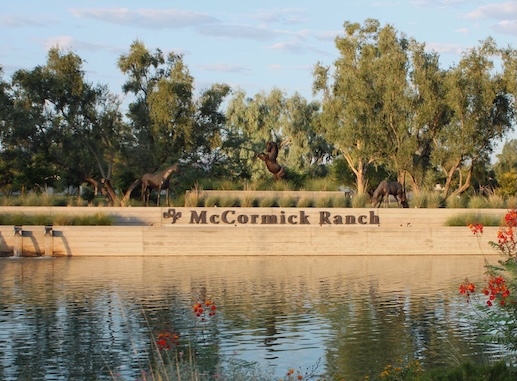
McCormick Ranch is one of central Scottsdale’s largest master-planned communities, roughly seven square miles between Indian Bend Road and Shea Boulevard. Built from the 1970s around ten man-made lakes, lush greenbelts, and two championship golf courses, the Palm and Pine courses named for their signature trees, it set the template for resort-style living in the Valley.
That design shapes the plant palette. Towering Canary Island date palms and Mondell pines line the streets and fairways, mature eucalyptus rises above the rooflines, and the lakes, greenbelts, and bike paths are framed by turf and desert accents like red yucca, brittlebush, and lantana.
Protecting this landscape means understanding the specific needs of these mature palms, pines, and shade trees, from monsoon-season structure to disciplined, lake-adjacent irrigation.
Quick Downloads:
McCormick Ranch Plant Health Calendar
Timing guide to fertilization, weed treatment, overseeding, pest control and more.
Tree, & Shrub Watering Guide
Recommendations for when and how much to water, with adjustments for time of year
Tree Identification & Care Guide
Facts about each type of tree in the neighborhood and a guide to keeping them healthy
McCormick Ranch Landscape Care, Season By Season
By Cameron, ISA Certified Arborist, Adaptive Plant Health & Weed Solutions
McCormick Ranch was planned around water, greenbelts and golf, and its plant palette follows that resort-style design: tall Canary Island date palms, Mondell pines, mature eucalyptus and turf-framed lakes. Each of those plants has its own calendar of risks. This guide follows the year from the monsoon through winter chill and spring growth, so you know what to look for and when, whether you live on a fairway, a lakeside lot or a quiet interior street.
Heat and Watering for Mixed Palettes
Properties here often combine thirsty turf, big pines and palms, and low-water desert accents such as red yucca and brittlebush, all on one irrigation system. That mix is the most common source of trouble. During the hottest months the turf and pines need steady deep water, while the desert plants need to be left alone. Separate your zones if you can, water trees deeply and infrequently, and avoid the habit of giving the whole yard the same schedule.
Smart controllers and soil moisture sensors can make a big difference on properties like these. They adjust run times to weather instead of a fixed calendar, which matters during the swing months of spring and fall when a summer schedule wastes water and starves nothing. If your system is old, ask for a zone-by-zone audit: pop-up heads that no longer reach, mixed spray and drip on one valve, and low pressure at the end of a line are the usual culprits.
Monsoon Storm Prep
From mid June through September, monsoon winds test the tallest plants on the property. Palm fronds can be torn loose, pines can shed heavy limbs, and shallow-rooted trees on saturated lakeside soil can lean or fall. Have palms trimmed of dead fronds and have pines and eucalyptus checked before the season begins, and look closely at anything hanging over a roof, a walkway or a shared greenbelt.
Canary Island Date Palms: Weevil and Fusarium
Canary Island date palms are the signature tree of the community, and they are also among the most vulnerable to Fusarium wilt and to palm weevil attack. Fusarium spreads on pruning tools, so a palm trimmed with unsterilized equipment can be infected without any visible sign for months. Look for a single side of the crown dying back, fronds that turn gray or brown from the base, and chewed tissue near the crown. Early detection is the difference between a treatable palm and a lost one.
Because Canary Island date palms are expensive to replace and slow to regrow, prevention is the better value. Preventive soil and trunk treatments can be timed to the seasons when weevils are most active, and a yearly inspection by someone who climbs and looks at the crown, not just the trunk, catches problems that are invisible from the ground. Keep lawn equipment and string trimmers away from the trunk, since wounds are entry points for both pests and disease.
Mondell Pine and Ips Bark Beetle
Mondell pines line the fairways and streets, and they are a favorite target for Ips bark beetles when stressed by drought, heat or poor root conditions. Warning signs include needles that fade from green to yellow to red, tiny pitch tubes on the trunk, and fine boring dust in bark crevices. Beetles are most active in warm weather, but trees weakened in one season often fail in the next, so year-round deep watering and an annual inspection are worth the effort.
Mondell pines planted across the community in the 1970s and 1980s are now at the end of their comfortable lifespan in our climate, and beetles tend to find the oldest, most stressed trees first. If a pine near your home is declining, do not wait to see whether it recovers. Dead pines are brittle and dangerous, and beetles can move from one infested tree to healthy neighbors. Removing and properly disposing of infested wood quickly slows their spread.
Eucalyptus: Pests and Limb Failure
Mature eucalyptus rise above many rooflines here, and they have two habits that matter to homeowners: they drop large limbs with little warning, especially in wind, and they are prone to borers and psyllids when stressed. Watch for peeling bark with oozing sap, sudden branch drop on calm days, and sticky leaves. Structural pruning that reduces end weight is far safer than waiting for a limb to come down, and it is best scheduled before the monsoon.
Eucalyptus also drop leaves, bark and fruit year-round, which can clog gutters, pools and drains, so a regular cleanup schedule matters. If a tree has a large lean, a cracked trunk or exposed roots after a storm, treat it as an emergency and keep people away from the area until it has been evaluated.
Red Yucca, Brittlebush and Lantana: Do Not Overwater
The desert accents that frame the lakes and bike paths are tough, but they are easy to kill with kindness. Rotting at the crown, yellowing leaves and floppy growth are almost always signs of too much water. These plants do best on infrequent, deep watering and well-drained soil, and they benefit from a light cleanup after bloom rather than heavy shearing.
Winter Frost and Palm Protection
Cold air settles near the lakes and low greenbelts, and a hard frost can damage young palms, lantana and other tender plants. Wrap or cover the most sensitive plantings on the coldest nights, hold off on heavy pruning until frost danger has passed, and resist fertilizing in late fall. Winter is also the best time to schedule tool-sterilized palm trimming and a pine and eucalyptus structural check.
Spring Growth and Turf Transition
As temperatures warm, turf wakes up, palms push new fronds and pests become active again. This is the season for fertilizing turf, correcting any irrigation problems exposed over winter, and inspecting palms and pines for new damage. Raise your watering gradually rather than switching overnight to summer settings.
Living Beside Lakes, Greenbelts and Fairways
Waterfront and fairway lots have advantages and constraints that interior lots do not. Soil near the lakes can stay damp, which supports root rot in trees that prefer to dry between waterings. Irrigation overspray onto pavement or the lake edge is wasteful and can attract algae. Fertilizer and pesticide runoff matters too, so choose products and application timing carefully and keep treatments away from the water line.
Golf-course neighbors add their own factors. Errant balls, pesticide drift in either direction and shared irrigation lines mean it pays to know where your property line and system boundaries are. If trees on your lot affect the course, such as limbs hanging over the fairway, a pruning schedule coordinated with course maintenance prevents friction.
Mulch, Turf Edges and Root Zones
A ring of mulch under pines, eucalyptus and palms keeps mowers away from trunks and reduces competition from turf. Keep mulch a few inches from the trunk, and avoid building mulch volcanoes around palms. Where turf runs right up to a tree, a wider bed gives roots more room and reduces the irrigation conflict between grass and trunk.
Palms prefer a clean base without heavy mulch against the trunk, while pines and eucalyptus benefit from three to four inches of organic mulch out to the drip line. Renew mulch each fall or winter, and use the visit as a chance to check for exposed roots, fungal growth and trunk damage.
McCormick Ranch Homeowner Action Items
- Protect your palms. Use sterilized tools for every trimming and inspect Canary Island date palms for one-sided dieback twice a year.
- Watch your pines. Check Mondell pines for fading needles, pitch tubes and boring dust, and keep them deeply watered.
- Have eucalyptus evaluated. Schedule structural pruning before monsoon season to reduce limb failure over roofs and walkways.
- Match water to the plant. Separate turf, tree and desert-accent zones and avoid overwatering red yucca, brittlebush and lantana.
- Prepare for monsoon. Clear dead fronds and weak limbs every spring, and inspect after each major storm.
- Guard against frost. Cover tender plants on the coldest nights, especially near lakes and low greenbelts.
- Refresh in spring. Inspect for new pest activity, feed turf and ease irrigation upward gradually.
- Book a seasonal health check. A yearly visit catches palm disease, beetle activity and storm-risk limbs early.
- Respect the water’s edge. Keep fertilizer, pesticide and overspray away from the lakes and greenbelt channels.
- Mulch smartly. Keep mulch off trunks and widen beds where turf crowds trees.
- Remove infested pines promptly. Beetle-killed wood should be removed and disposed of to protect neighbors.
Frequently Asked Questions About McCormick Ranch Landscapes
What are the most common tree problems in McCormick Ranch?
McCormick Ranch’s signature trees each face distinct seasonal threats. Canary Island date palms are vulnerable to the South American palm weevil and Fusarium wilt, Mondell pines are prime targets for Ips bark beetles under heat and drought stress, and mature eucalyptus carry the highest monsoon limb-failure risk. Adaptive’s ISA Certified Arborists monitor all three and recommend preventive care before damage becomes irreversible.
How do I protect my McCormick Ranch palms and pines during monsoon season?
Tall Canary Island date palms, Mondell pines, and eucalyptus are the most exposed to monsoon microbursts, which can snap limbs or topple trees in seconds. The best protection is a professional structural evaluation and canopy thinning before the next storm, along with deep, consistent watering so roots stay strong. Avoid heavy palm pruning in the warm months, which attracts the palm weevil.
Why are the pines in McCormick Ranch declining?
The Mondell (Afghan) pines planted across McCormick Ranch in the 1970s and 1980s are reaching the end of their comfortable lifespan in the Valley’s climate, and heat and drought stress make them prime targets for Ips bark beetles. Watch for fading or browning needles, pitch tubes, and sawdust-like frass, and have declining pines assessed early, since a heavily infested pine usually cannot be saved.
How often should I water my landscape in McCormick Ranch through the year?
Mature trees and palms need deep, infrequent watering that reaches 24 to 36 inches into the soil rather than short daily cycles, while desert accents like red yucca and brittlebush need very little water and decline when overwatered. Because McCormick Ranch has extensive greenbelt turf and lake-adjacent landscaping, it is easy to overwater trees and shrubs that share a turf zone, so separate the zones where you can. Adaptive can audit your irrigation and make sure it meets local water rules.
Need some guidance?
If you have any questions about plant health or your landscape, feel free to give us a call at (602)777-7764 or fill out our contact form.
Anything from a quick question to a free 15-point landscape inspection, we’re here to help.