
Ocotillo Plant Health Resource Center
Plant Health & Landscape Care For The Ocotillo Neighborhood In Chandler, AZ
Updated Summer, 2026
A guide to Ocotillo Plant Health
This page will teach you about the unique needs of your neighborhood and how to best care for your landscape.
Up-To-Date Information
We update this page as we see new trends, changes and threats like insects, diseases or plant stressors.
What to know about Ocotillo Landscapes
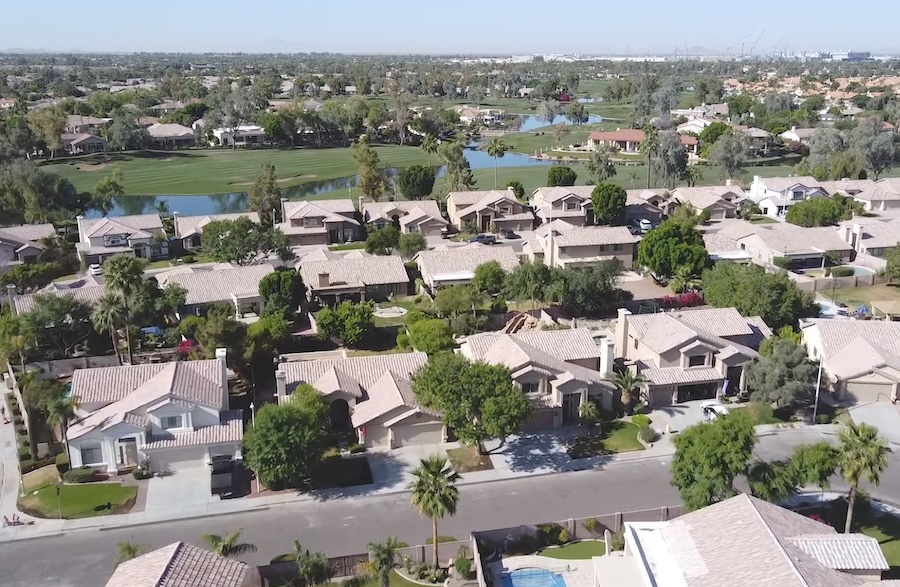
Ocotillo is one of southwest Chandler’s most distinctive master-planned communities, roughly 1,900 acres built over the past three decades around 167 acres of interconnected lakes and a 27-hole championship golf course. Its modern desert-lush design pairs water views and lush turf with low-water desert plantings.
The palette leans on tough, fast-growing desert trees: palo verde, mastic, and thornless acacia for filtered shade, underplanted with desert standards like ocotillo, hesperaloe (red yucca), and trailing dalea.
Protecting this landscape means understanding the specific needs of these fast-growing desert trees and low-water plantings, from monsoon-season structure to carefully zoned, lake-adjacent irrigation.
Quick Downloads:
Ocotillo Plant Health Calendar
Timing guide to fertilization, weed treatment, overseeding, pest control and more.
Tree, & Shrub Watering Guide
Recommendations for when and how much to water, with adjustments for time of year
Tree Identification & Care Guide
Facts about each type of tree in the neighborhood and a guide to keeping them healthy
The Current State Of Plant Health In Ocotillo:
Updated by Cameron, ISA Certified Arborist, June 2026
Ocotillo’s desert-lush landscape, woven through 167 acres of lakes and golf, leans on fast-growing desert trees that are tested hardest in summer. We’re in peak heat with monsoon season active (June 15 through September 30), forecast hotter and wetter than normal, while the Valley stays in drought under Stage 2 water rules. With roughly 70 acres of turf sitting right alongside desert granite plantings, irrigation balance and storm structure are the big issues here. Here’s what to watch for right now.
Heat & Smart Watering Come First
Ocotillo’s design puts thirsty turf next to low-water desert plants, so the watering has to be zoned, not uniform. Water trees deep and infrequent to the full root zone, and keep palo verde, hesperaloe, ocotillo, and dalea off the turf zones, where constant moisture stresses desert roots and invites disease.
Monsoon Storm Prep Is the Top Priority
Palo verde and thornless acacia grow fast and break easily, and they are the most likely trees to drop limbs or topple in a monsoon microburst, especially when overwatered next to turf. Have larger or fast-grown trees structurally thinned and evaluated before the next storm. This is the single most valuable thing you can do this summer.
Palo Verde Root Borer
The large beetles you may see at dusk after summer rains are palo verde root borers, whose grubs feed on tree roots underground for several years before emerging. The beetles are harmless to people, but they signal root feeding on palo verde and related trees, so keeping trees healthy and properly watered is the best defense.
Borers in Stressed Palo Verde & Acacia
Heat- and drought-stressed trees draw flatheaded and related borers that tunnel under the bark to feed on the tissue that moves water and nutrients. Watch for branch dieback, oozing sap, and sawdust-like frass at the trunk base, and keep trees on proper deep irrigation so they are vigorous enough to resist attack.
Mastic, Hesperaloe & Trailing Dalea: The Low-Water Layer
Mastic trees and the desert understory of hesperaloe and trailing dalea are tough, heat-loving, and very low-water, and their biggest threat in Ocotillo is too much water from adjacent turf and lake-fed irrigation. Keep them on a lean, separate schedule and they will outperform almost everything else through the summer.
Ocotillo Care in Summer
The neighborhood’s namesake plant leafs out after rain and drops its leaves during dry heat, which looks alarming but is completely normal drought behavior. Do not overwater established ocotillo, and give newly planted ones occasional deep soakings through their first summer while the roots establish.
Summer Action Items For Ocotillo Homeowners
- Storm-proof your fast-growing trees now. Schedule structural thinning for palo verde and thornless acacia before the next monsoon push. This is the top safety priority.
- Watch for palo verde root borers. Expect the large beetles after summer rains, and keep trees vigorous with proper deep watering to limit root damage.
- Inspect trunks for borer signs. Look for sap ooze, sawdust-like frass, and branch dieback on palo verde and acacia, and have stressed trees assessed early.
- Zone your irrigation. Deep and infrequent for trees, separate low-water lines for desert plantings, and keep desert species off the turf schedule.
- Book a summer health check. A walkthrough now catches heat stress, borer activity, and storm-risk limbs before they become emergencies.
Frequently Asked Questions About Ocotillo Landscapes
What are the most common summer tree problems in Ocotillo?
Ocotillo’s fast-growing desert trees face distinct summer threats. Palo verde and thornless acacia carry the highest monsoon limb-failure risk, especially when overwatered, palo verde root borers attack the roots from below, and heat- and drought-stressed trees draw flatheaded borers. Adaptive’s ISA Certified Arborists monitor these and recommend preventive care before damage becomes irreversible.
How do I protect my Ocotillo trees during monsoon season?
Fast-growing palo verde and thornless acacia are the most likely to drop limbs or topple in monsoon microbursts, particularly when overwatered or shallow-rooted next to turf. The best protection is professional structural thinning and an evaluation before the next storm, plus watering that encourages deep roots. Avoid the heavy summer fertilizing and overwatering that push weak, storm-prone growth.
Why am I seeing large beetles in my Ocotillo yard in summer?
Those are almost certainly palo verde root borers, large beetles that emerge during monsoon season after their grubs have fed on tree roots underground for several years. The beetles themselves are harmless to people, but their presence signals root feeding on nearby palo verde, mesquite, or acacia. Keeping trees healthy and properly watered is the best defense, and Adaptive can assess affected trees.
How should I water my desert-lush Ocotillo landscape in summer?
Ocotillo mixes lush turf with low-water desert plantings, so the key is zoning. Water trees deep and infrequent to reach 24 to 36 inches into the soil, keep turf on its own schedule, and put desert plants like hesperaloe, ocotillo, and dalea on a separate low-water zone so runoff from turf does not drown them. Adaptive can audit your irrigation under the current Stage 2 drought rules.
Need some guidance?
If you have any questions about plant health or your landscape, feel free to give us a call at (602)777-7764 or fill out our contact form.
Anything from a quick question to a free 15-point landscape inspection, we’re here to help.