
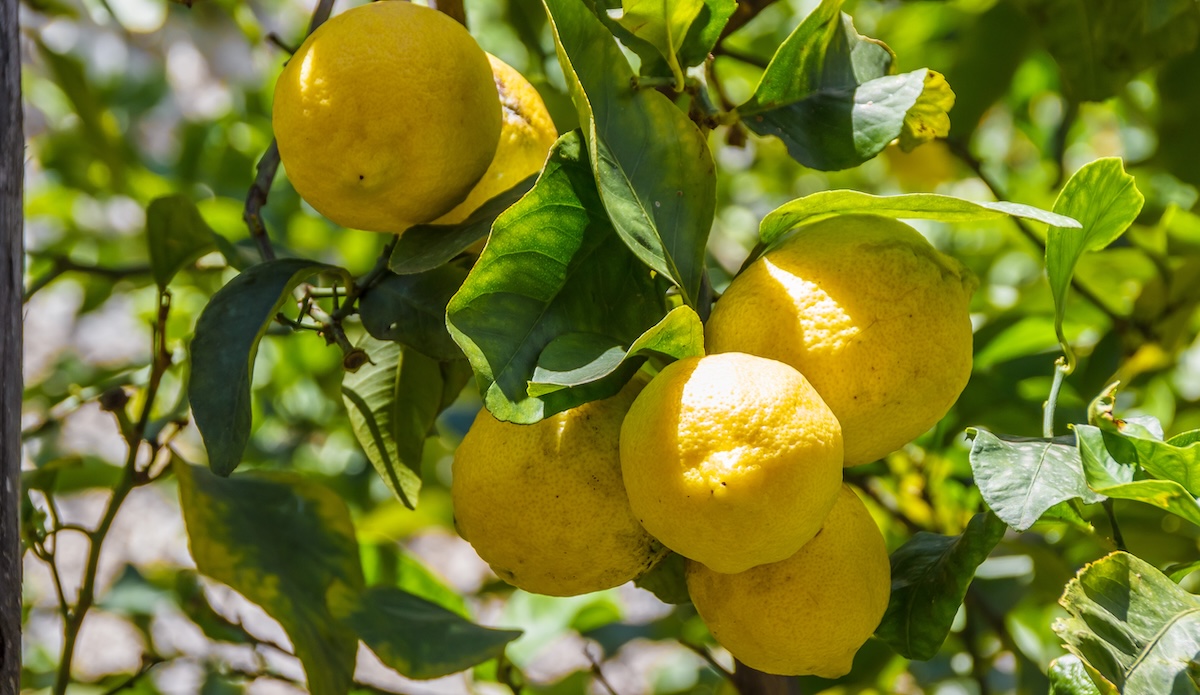
Citrus Care in Phoenix: What Your Trees Need from Fall Through Winter
While most of the yard slows down in winter, lemon, orange, grapefruit, and tangerine trees are helping to make it the most wonderful time of the year. That also makes fall and winter the season when citrus trees suffer from some of the most incorrect advice. It’s common to hear water them more, feed them now, prune them before the cold, etc. But most of that is actually backward for Phoenix.
This guide covers what a citrus tree needs between October and February, what to hold off on, and how to read the signals the tree is giving you.
Harvest Timing: Ripe Is Not the Same as Colored
Citrus does not ripen the same way a peach does. Fruit will not get sweeter after it comes off the tree, so picking early costs you flavor. In the Valley, color is also a poor guide. Cool nights in November and December bring out the orange or yellow, but warm autumns can leave fruit sweet and still partly green.
The most consistently reliable (and enjoyable) test is to taste one. As a general guide for Phoenix backyards:
- Navel oranges usually ripen from about November into January or later, and many varieties hold well on the tree.
- Grapefruit sweetens as winter goes on and is often best in the new year.
- Tangerines and mandarins commonly ripen in late fall and winter, and tend to lose quality if left on the tree too long.
- Lemons ripen on and off through much of the year, and Meyer lemons often produce heavily in winter.
Exact timing depends on variety and rootstock, so treat these as ranges, not dates. If you are not sure what you have planted, the variety tag, the fruit, or a plant health visit can help you identify it.
When picking, remember to pick by twisting or clipping the fruit with a short stem. Pulling can tear the rind and the branch tip.
Watering: Less Often, Still Deep
Citrus has shallow roots compared to desert trees, and it is evergreen, so it never stops using water. However, it does use much less in cool weather. The mistake we see most often is leaving the summer watering schedule in place through November and December.
Prevailing guidance for Arizona citrus is to water to the full depth of the root zone and let the top of the soil dry between irrigations, with the interval stretching as temperatures fall. A mature tree in winter commonly needs a deep soak every few weeks, not every few days, depending on soil type and recent rain. Sandier soils drain faster, and heavy clay holds water longer.
Two things to look out for:
- Do not let it go dry for long. Water-stressed citrus drops fruit and leaves, and the drought stress also makes frost damage worse.
- Do not keep the trunk wet. Water that sits against the trunk invites gummosis and root rot. Keep the basin and drip emitters out at the canopy edge, and keep mulch a few inches back from the trunk.
To check, push a long screwdriver or soil probe into the ground at the drip line. If it slides in easily to 18-24 inches, the root zone still has moisture. For the full method, see our deep watering guide.
Fertilizer: Mostly Wait
Citrus is a heavy feeder, but the timing matters. Applying nitrogen in late fall pushes soft new growth right before the coldest weeks of the year, and tender growth is the first thing frost burns.
It is generally most effective to do the main nitrogen applications in late winter and through spring, after the frost danger is largely past, rather than in the fall. For most Valley trees, that means starting around February, depending on the year and level of frost. Recommended rates differ by tree size and by the product you use, so follow the label for your fertilizer, and water it in.
Iron is a separate issue. Yellow leaves with green veins are a common sign of iron chlorosis in our alkaline soils, and the fix is a chelated iron product made for high-pH soil, not extra nitrogen. We cover how that diagnosis works with other trees in our signs a tree is dying post.
Frost: The Real Winter Risk
Citrus is subtropical and the main threat to it in the Valley is a cold night. The hardiness differs a lot by type. Lemons, limes, and citron are the most cold sensitive, while oranges, grapefruit, and tangerines tolerate somewhat more cold. Young trees are the most vulnerable because they have thin bark and little stored energy.
What helps:
- Wrap the trunks of young trees loosely with frost cloth or insulating wrap from late fall through winter, so the lower trunk and graft union are protected.
- Cover the canopy on forecast frost nights. Drape frost cloth or blankets to the ground, remove them the next morning, and avoid plastic touching the leaves.
- Water ahead of a cold night. Moist soil holds heat better than dry soil.
- Plant on the warm side. A south- or west-facing wall absorbs heat during the day and gives it back overnight.
We cover the step-by-step method in our frost protection guide.
If frost does damage the tree, resist pruning. Citrus often looks worse in January than it turns out to be in April, and the damaged leaves help insulate the tree against the next cold night. Wait until the tree is actively growing in spring and shows you where the live wood ends.
Pruning: Keep It Light and Keep It Late
Citrus needs less pruning than most landscape trees. The usual jobs are removing dead wood, crossing branches, and suckers growing from below the graft. Heavy pruning is rarely needed and can sunburn the bark that the canopy normally shades.
The timing rule for Phoenix is to avoid pruning in late fall and winter, when new growth cannot survive a frost. Wait until frost danger has passed, typically late winter or early spring, and take only what is necessary. If a tree looks overgrown, spread the work out over more than one season rather than cutting it all at once.
Remove suckers from the rootstock as soon as you see them. They will not produce the fruit you want, and they take energy from the grafted variety.
Common Winter Problems on Citrus
- Fruit drop. A few small fruit dropping in winter or early spring is normal self-thinning. Heavy drop with yellowing leaves points to water stress or nutrient problems.
- Frozen fruit. Fruit that has frozen becomes dry and pulpy inside, and it can look fine on the outside. Cut one open if you suspect damage, and harvest promptly if so.
- Sticky leaves and sooty mold. Honeydew from insects, mostly aphids and scale, feeds a black mold. The mold is a symptom, and the insects are the cause. See our El Niño winter checklist for aphid pressure after wet weather.
- Leaf curling or trails in new leaves. Leaf miner damage shows up on soft new growth. It rarely harms a mature tree, but it can stress young ones.
- Trunk gummosis. Amber sap oozing from the trunk is a sign of fungal disease, usually from wet soil against the bark. Fix the irrigation first.
Your Citrus Checklist, October Through February
- October: Cut back watering frequency as temperatures fall and check that emitters are at the drip line, not at the trunk.
- October: Pull mulch back from the trunk.
- November: Taste-test fruit before picking, and pick in small batches as it ripens.
- Late November: Wrap young trunks, and stage frost cloth where you can reach it.
- Forecast frost nights: Water the day before, cover to the ground, and uncover in the morning.
- January: Hold off on pruning, even if the tree looks rough.
- February: Begin your spring fertilizer schedule if frost danger has passed, and book a plant health visit to check for iron deficiency, scale, and trunk disease.
Frequently Asked Questions
How often should I water citrus in winter in Phoenix?
Much less often than in summer, but still deeply. A mature tree commonly needs a deep soak every few weeks in the cool months, depending on soil type and rain. Check the soil at the drip line before you water, and do not let the tree go completely dry.
When is citrus ripe in Phoenix?
It depends on the variety. Navel oranges, tangerines, and grapefruit generally ripen from late fall into winter, and lemons produce on and off for much of the year. Taste the fruit rather than judging by color, because warm falls can leave ripe fruit partly green.
Should I fertilize my citrus tree in the fall?
Generally no. Fall nitrogen pushes tender growth that frost can damage. Extension guidance puts the main feeding in late winter through spring, after frost danger has passed.
Can I prune my citrus tree in winter?
It is best to wait. Pruning stimulates new growth that frost can kill, and the existing leaves protect the tree from cold. Remove only dead wood and suckers now, and do the rest in late winter or spring.
What temperature will damage citrus?
Lemons, limes, and citron can be damaged when temperatures fall below about 25 degrees, and other citrus tolerates somewhat colder nights. Young trees and tender new growth are damaged at warmer temperatures, and the duration of the cold matters as well.
My citrus leaves are yellow. Is it a frost problem?
Not necessarily. Leaves yellowing with green veins usually suggest iron chlorosis, and uniform yellowing can indicate water problems or nitrogen shortage. A certified arborist can tell which one you have.
Want a second opinion on yellow leaves, dropping fruit, or a tree that took a frost hit? Contact Adaptive Plant Health & Weed Solutions for a citrus health assessment anywhere in the Phoenix metro area. Call (602) 777-7764 or request a free quote today.